Facade
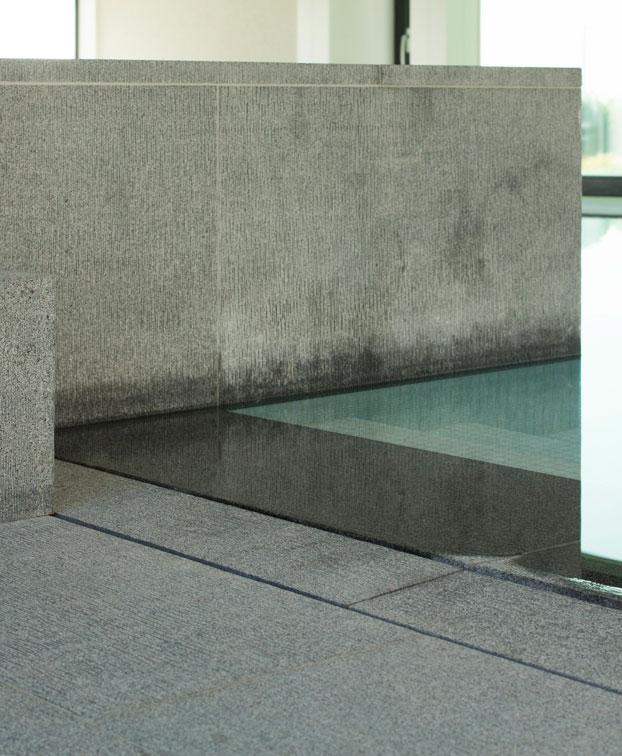
A facade gives a building its first impression and must withstand rain, frost and UV light for years without losing its appearance. STONE NV is the reference partner for professionals across Europe and beyond in natural stone and terrazzo, supplying materials for facade cladding made to measure, finished in our own workshop in Olsene.
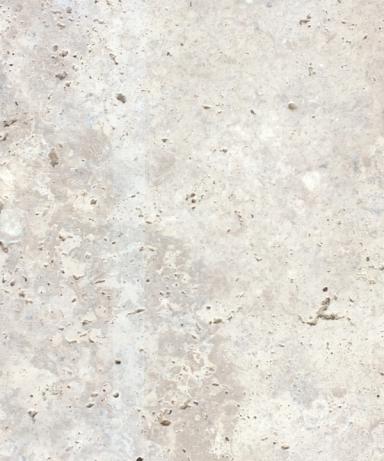
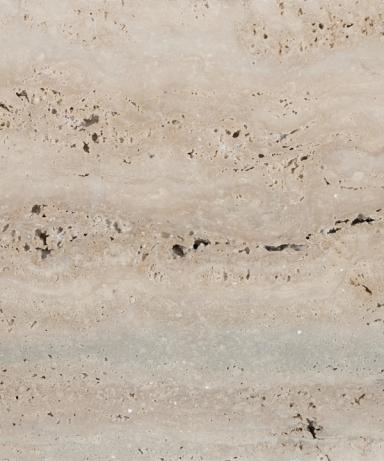
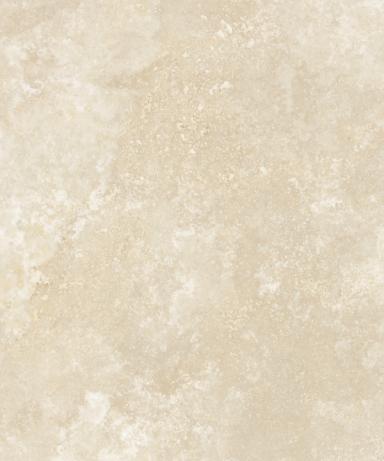
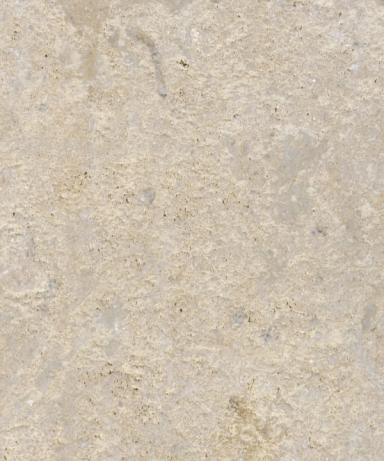
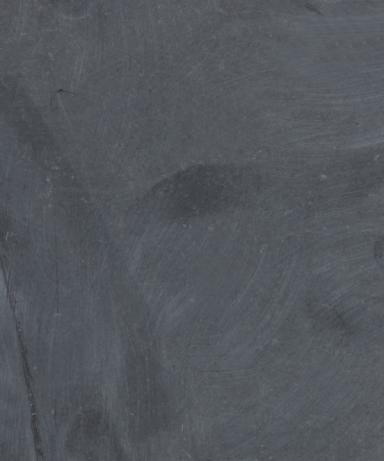
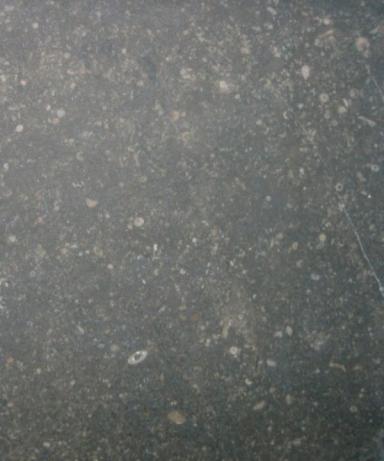
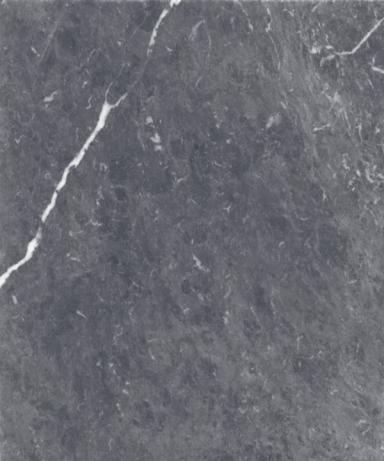
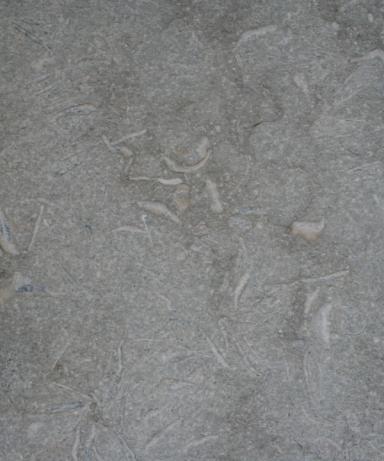
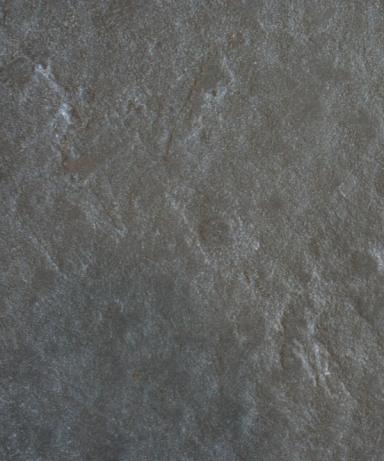
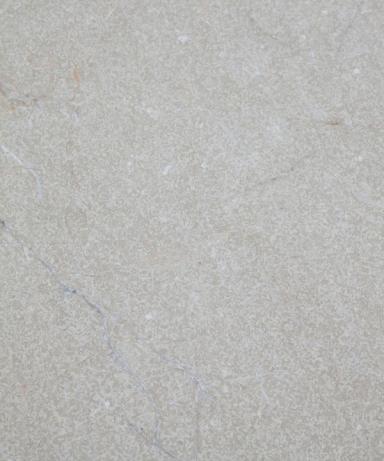
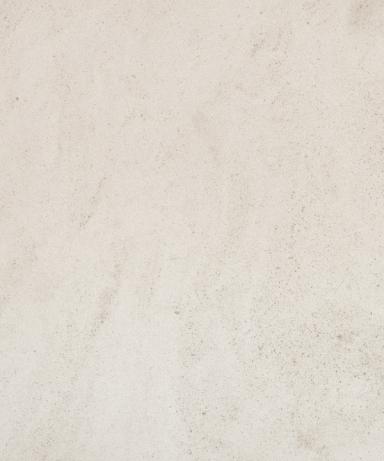
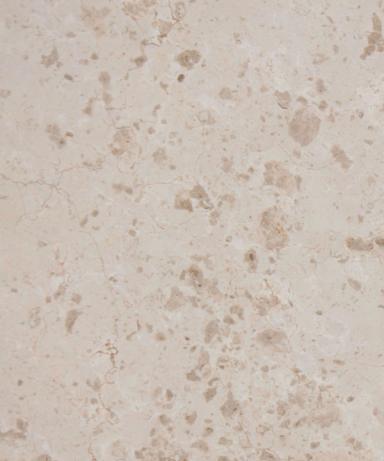
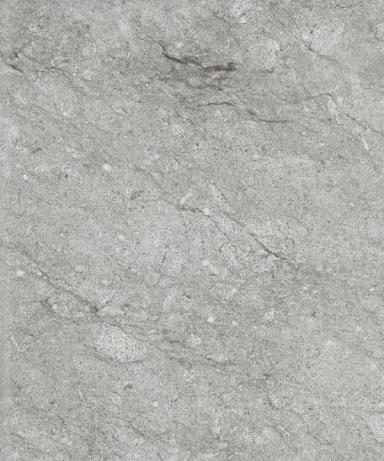
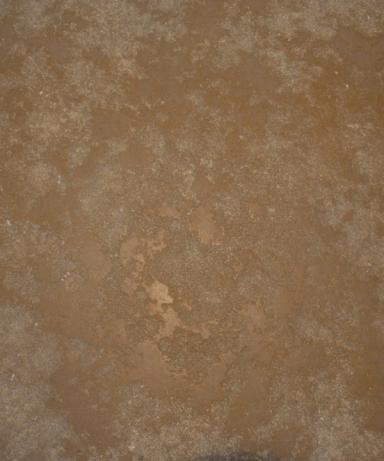
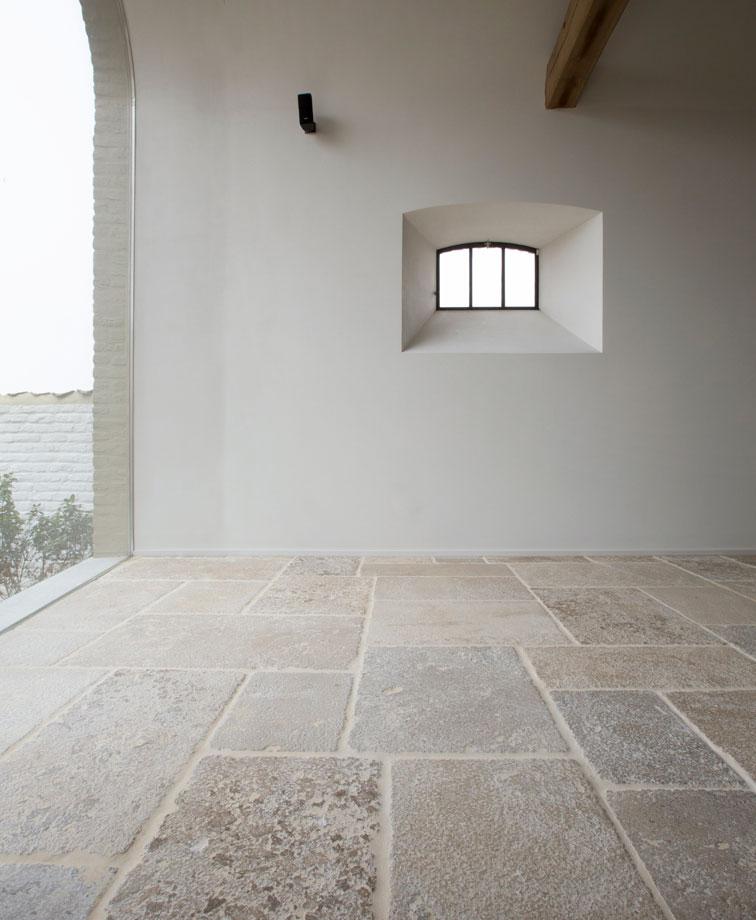
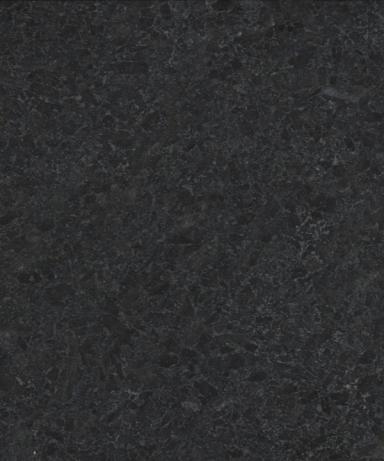
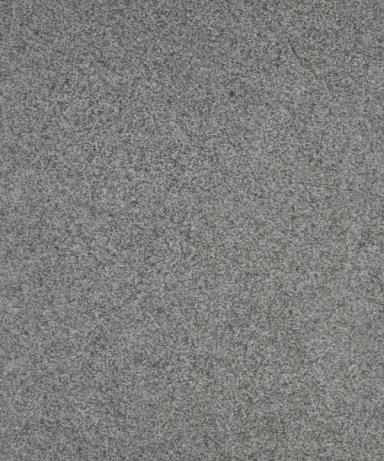
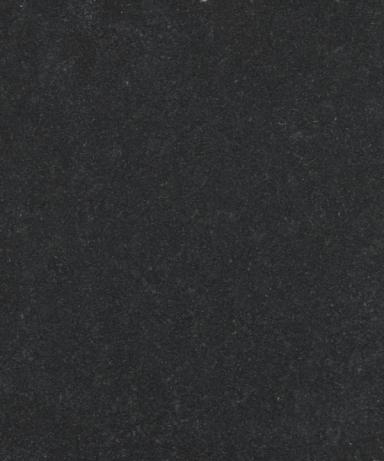
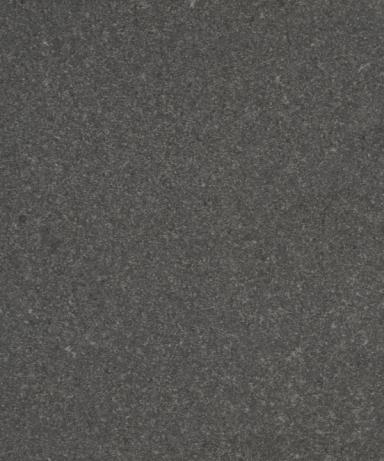
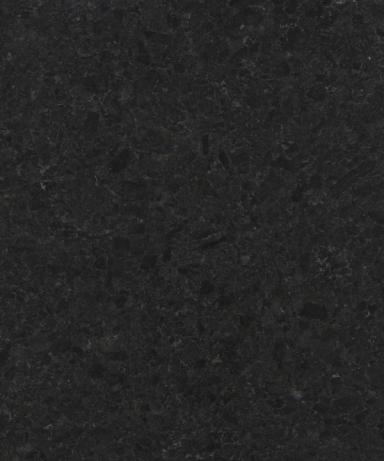
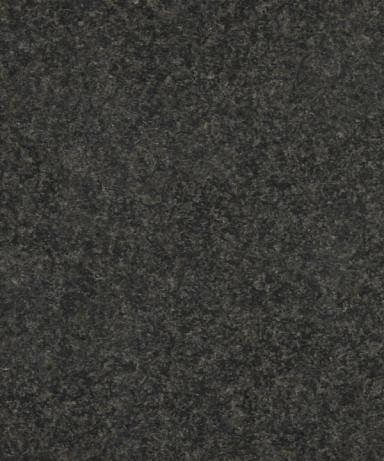
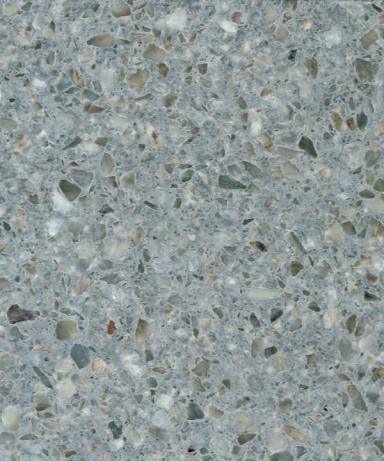
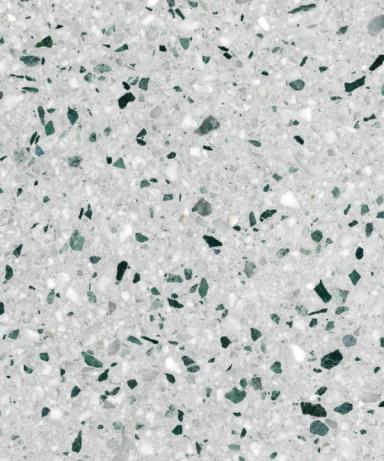
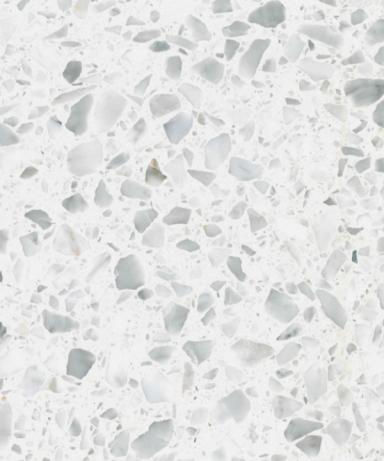
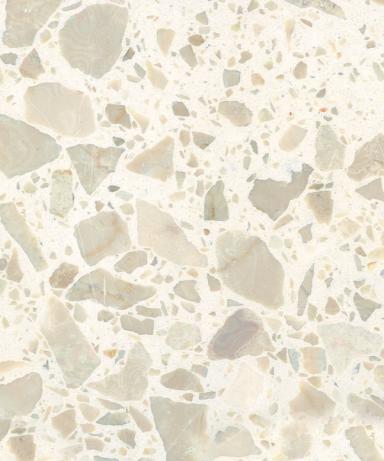
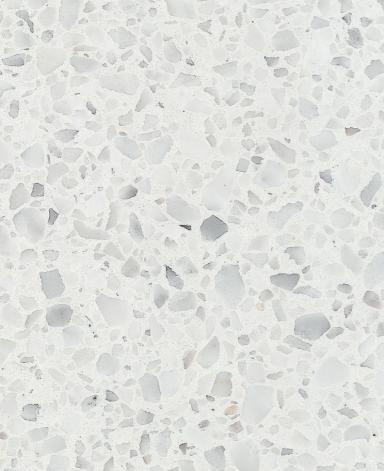
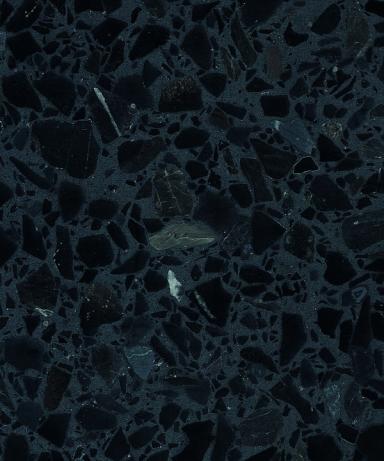
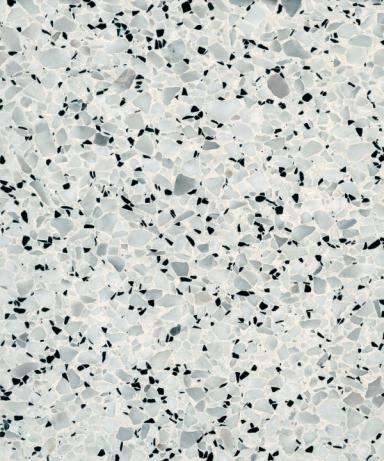
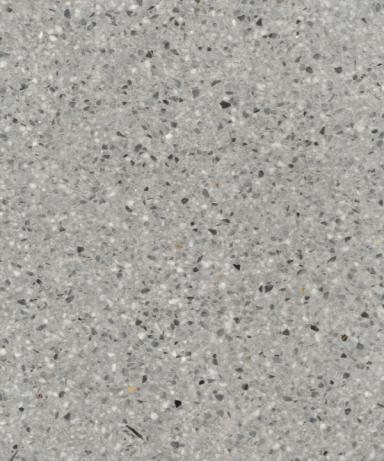
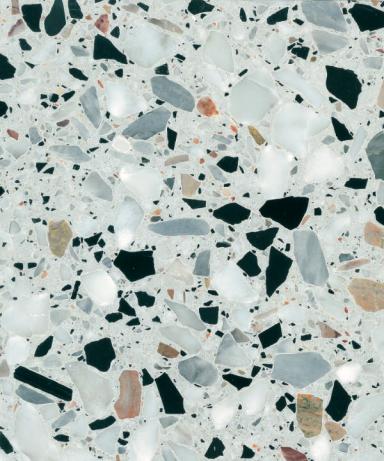
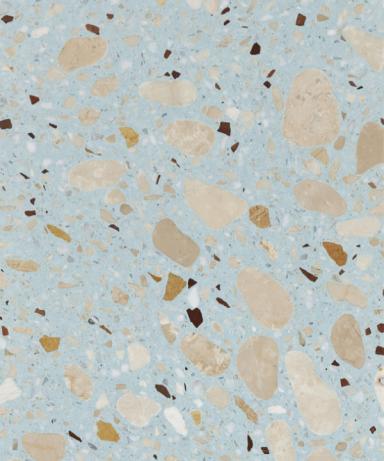
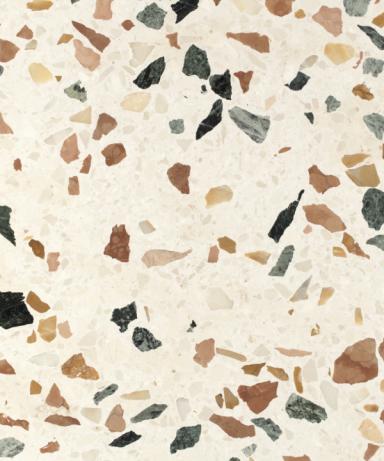
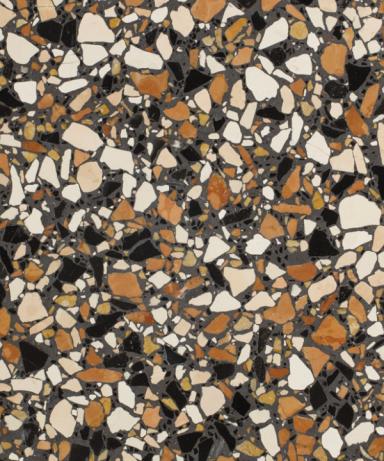
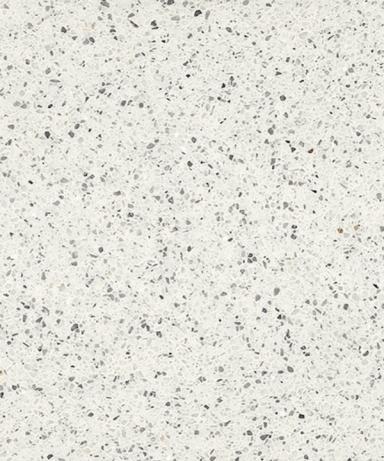
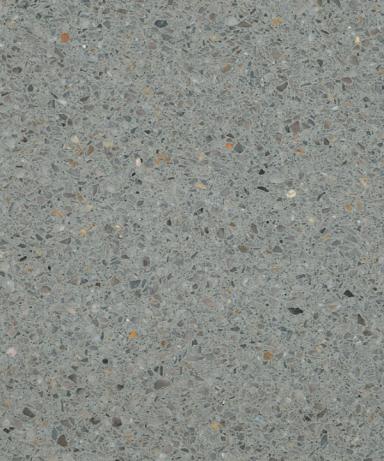
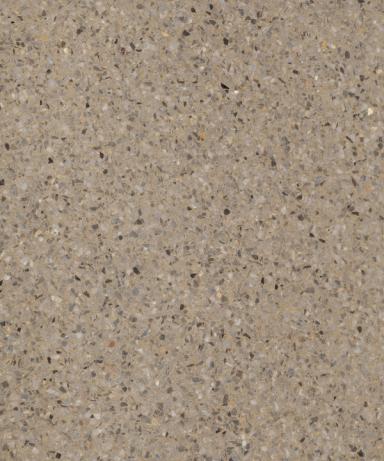
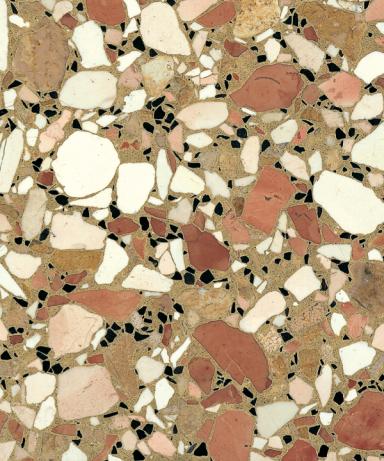
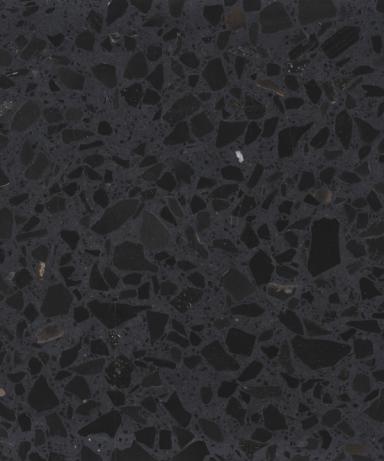
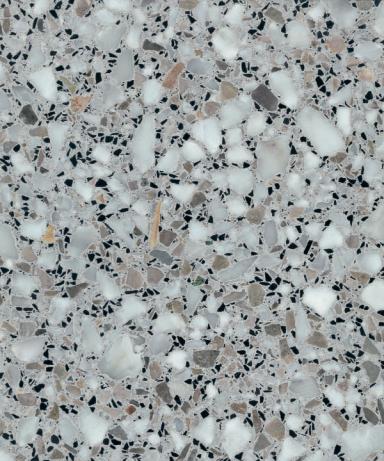
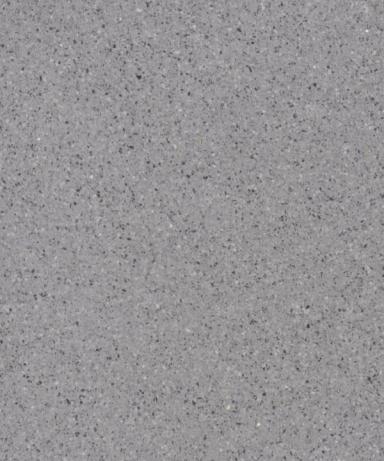
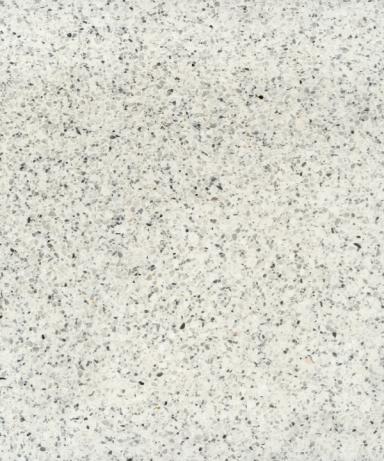
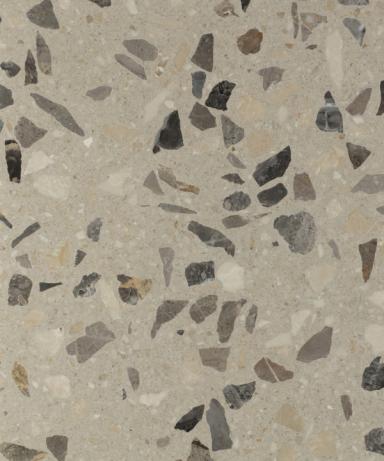
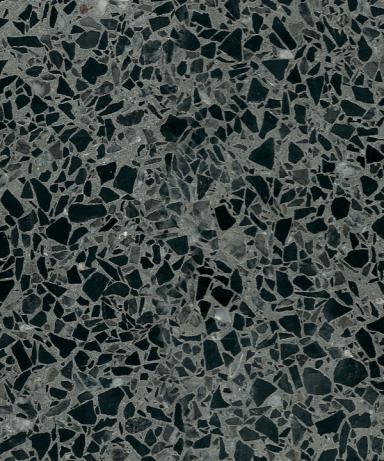
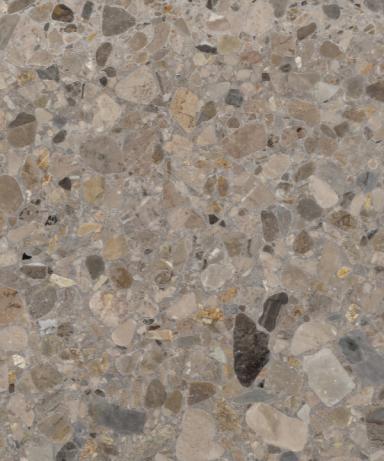
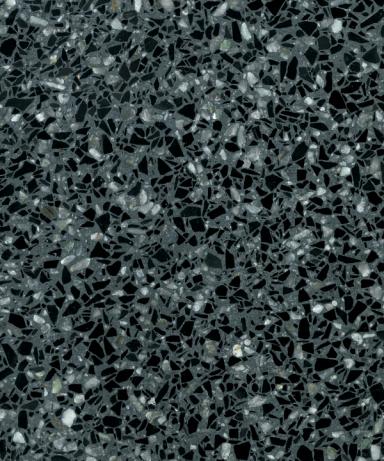
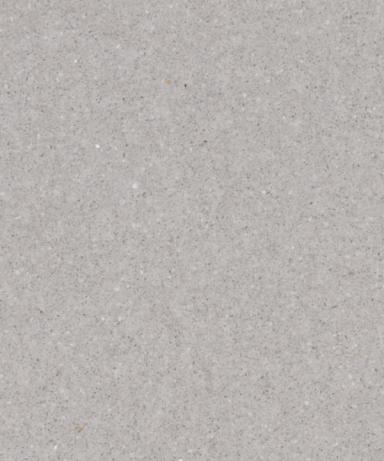
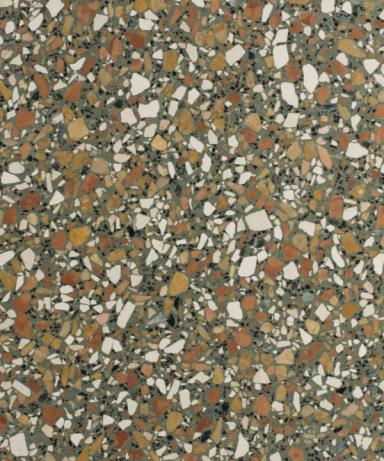
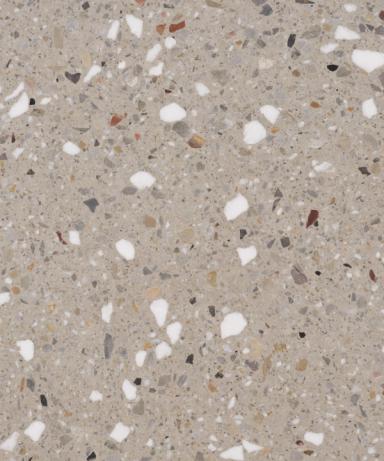
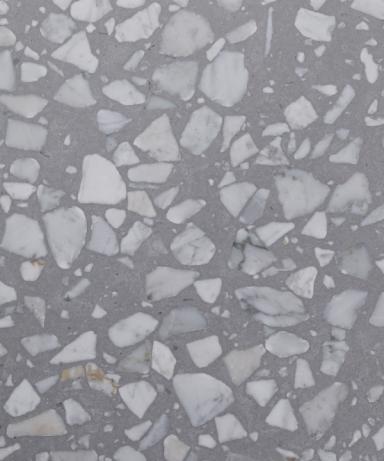
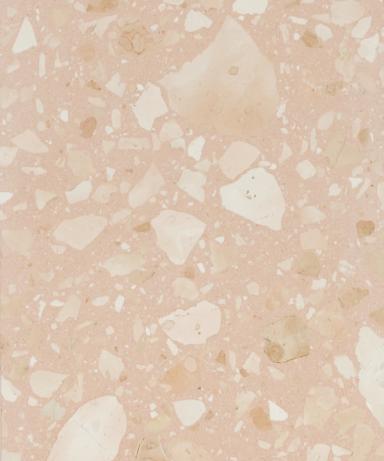
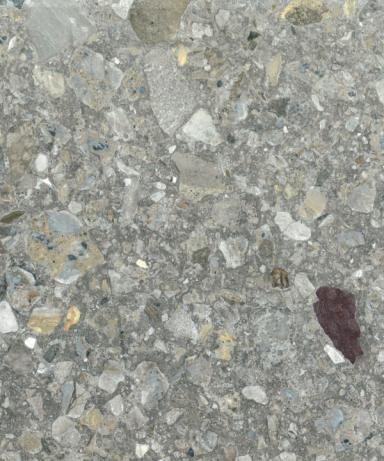
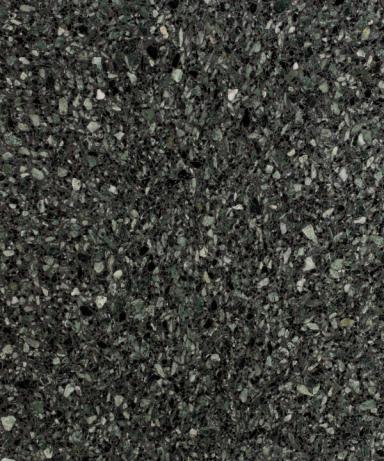
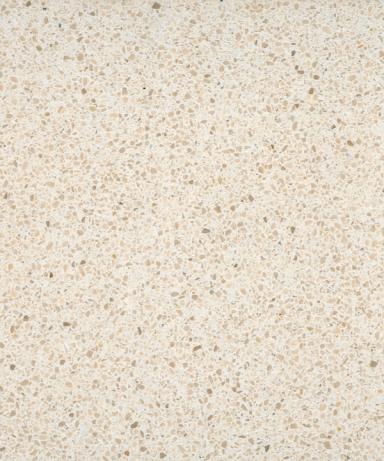
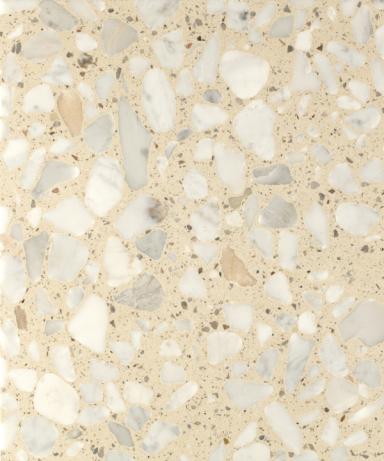
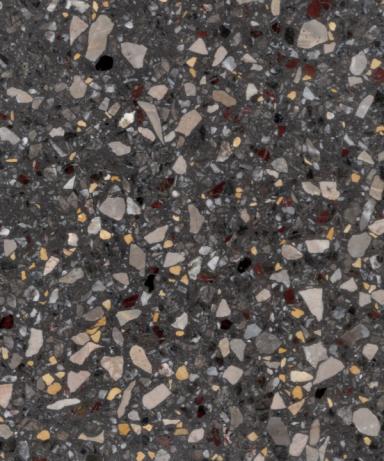
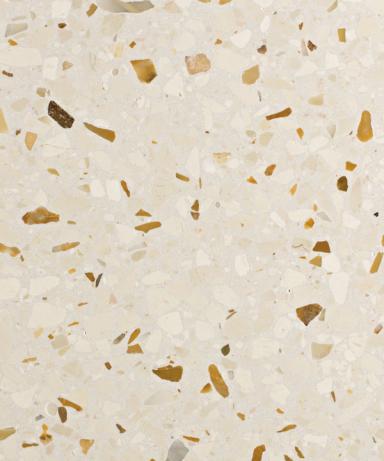
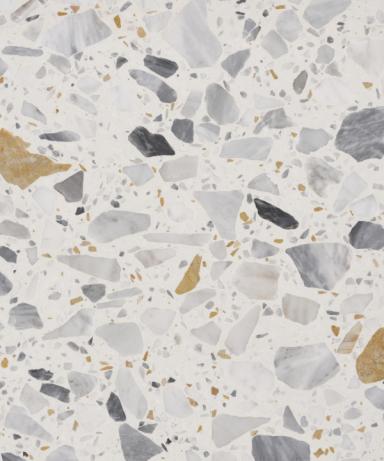
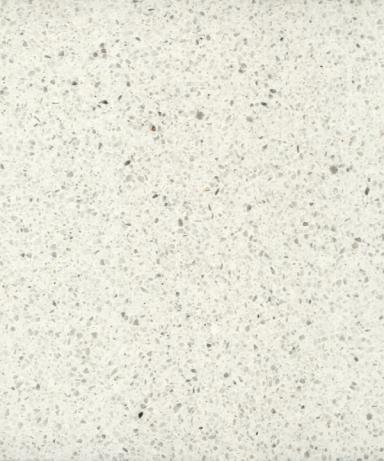
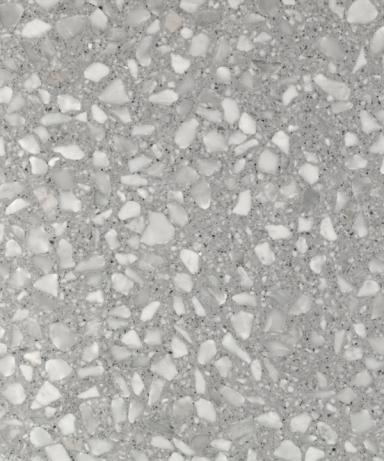
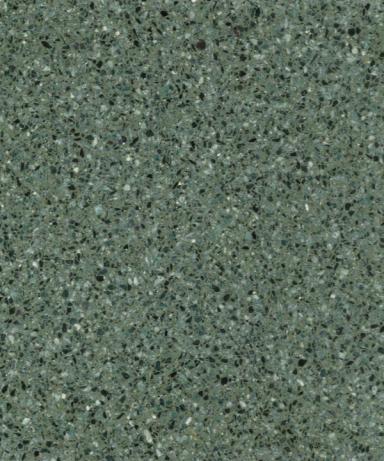
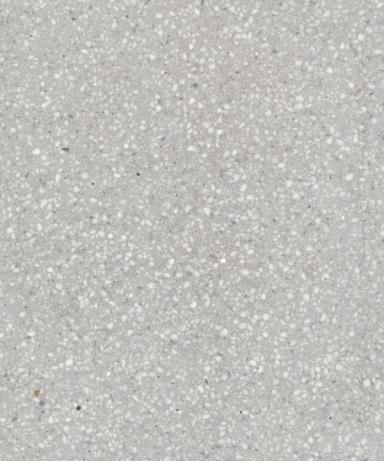
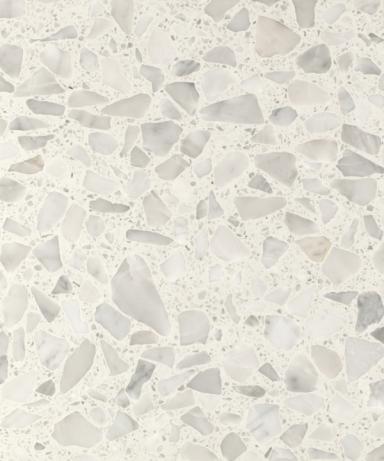
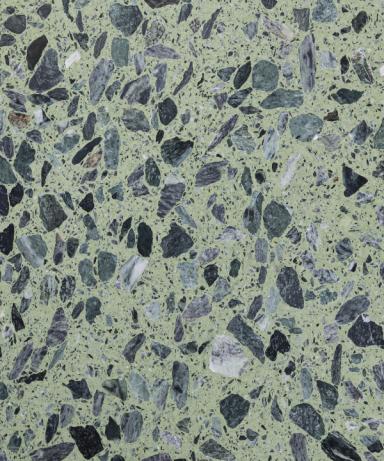
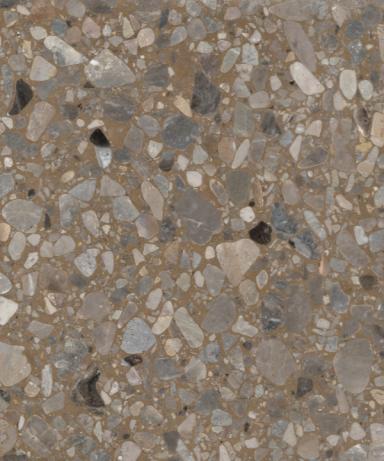
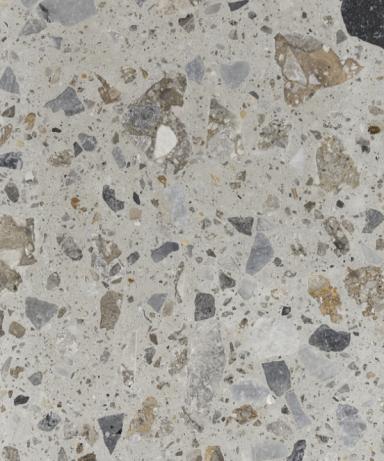
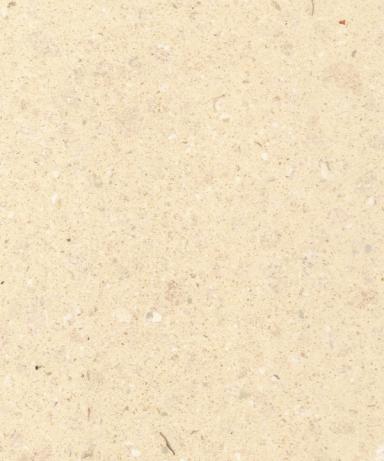
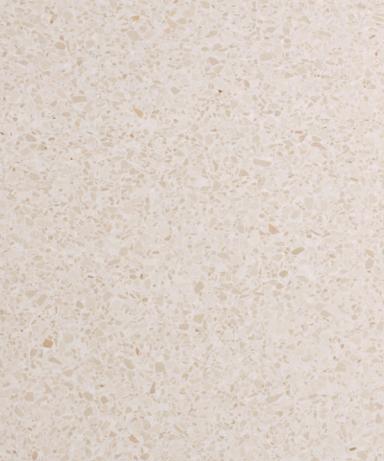
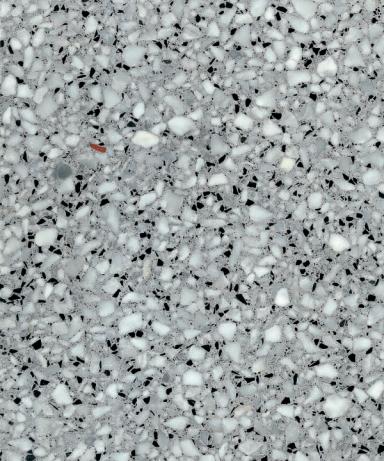
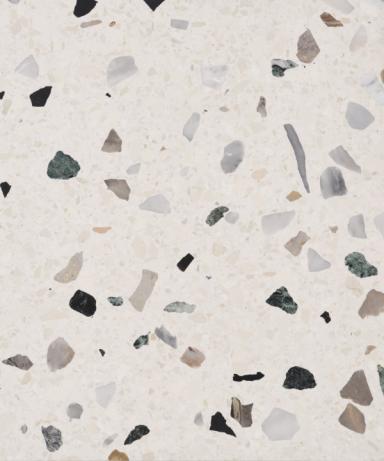
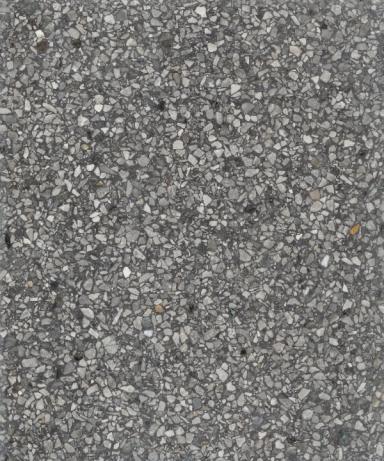
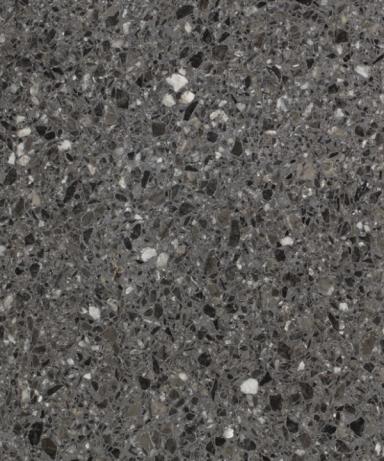
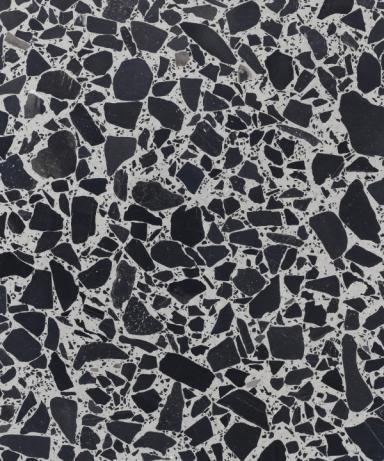
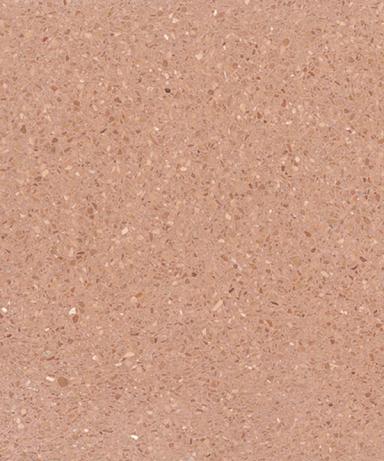
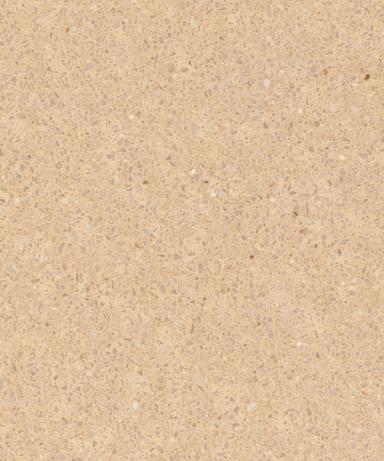
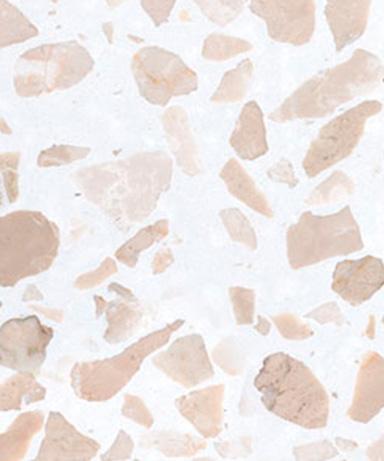
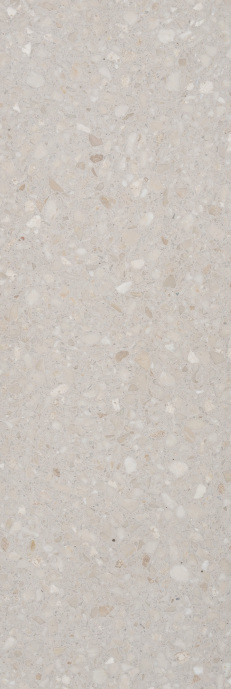
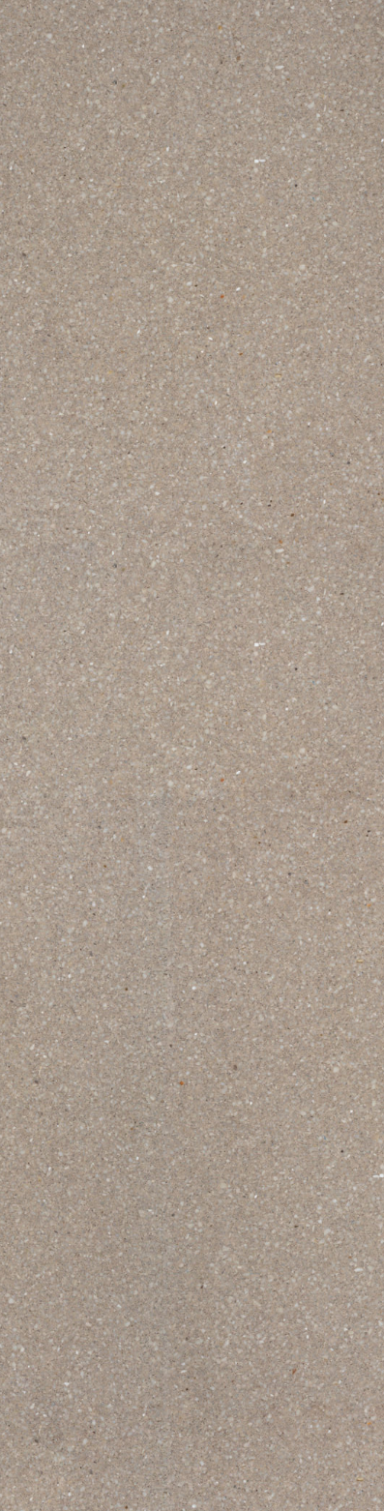
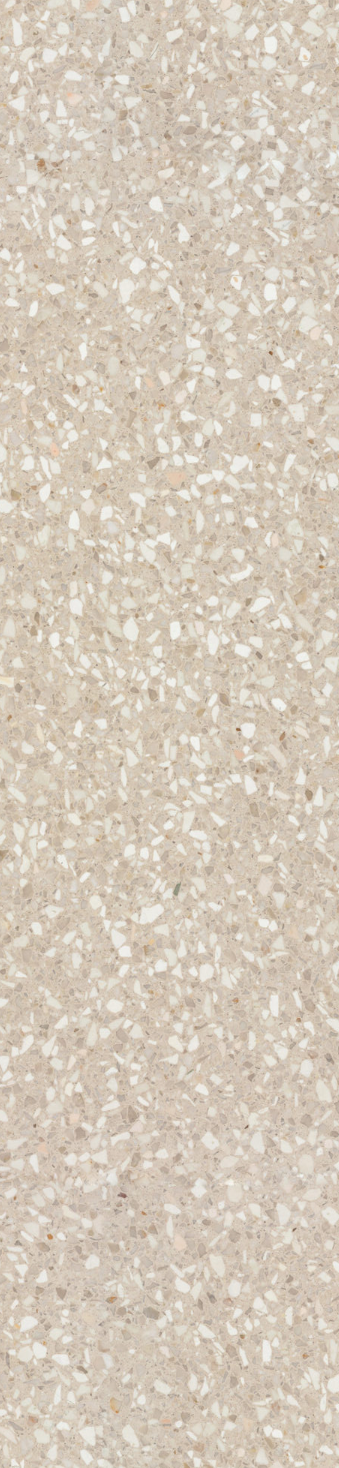
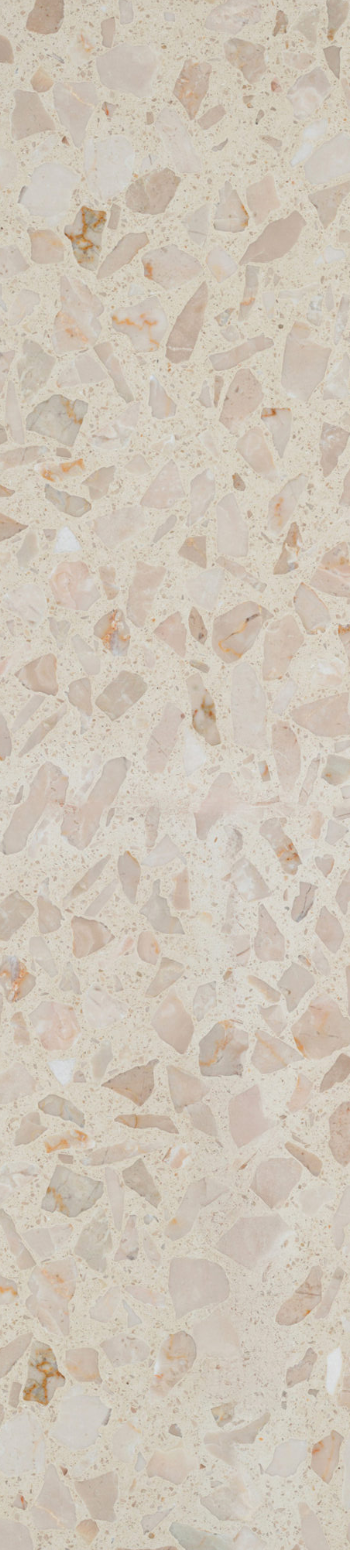
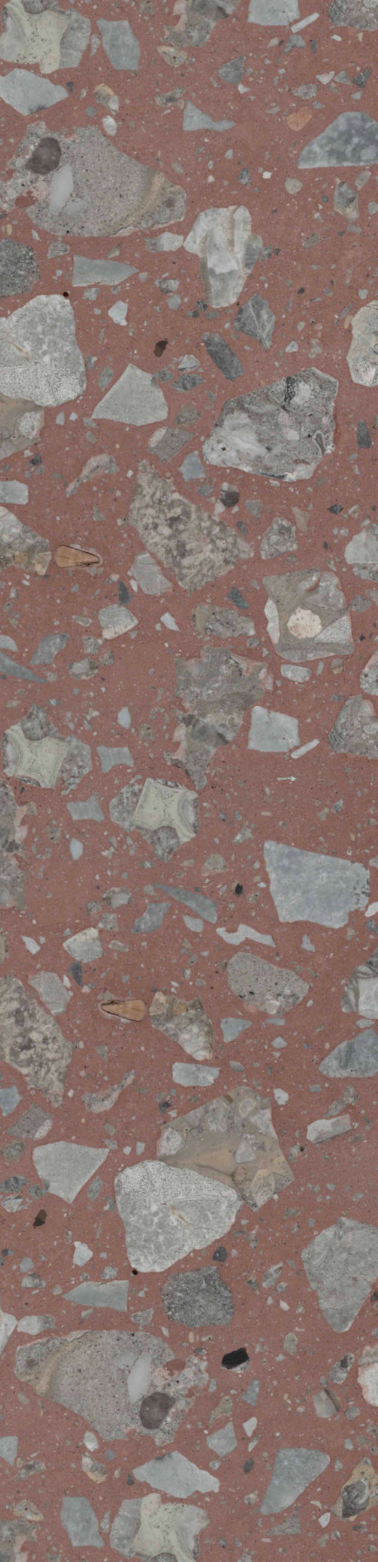
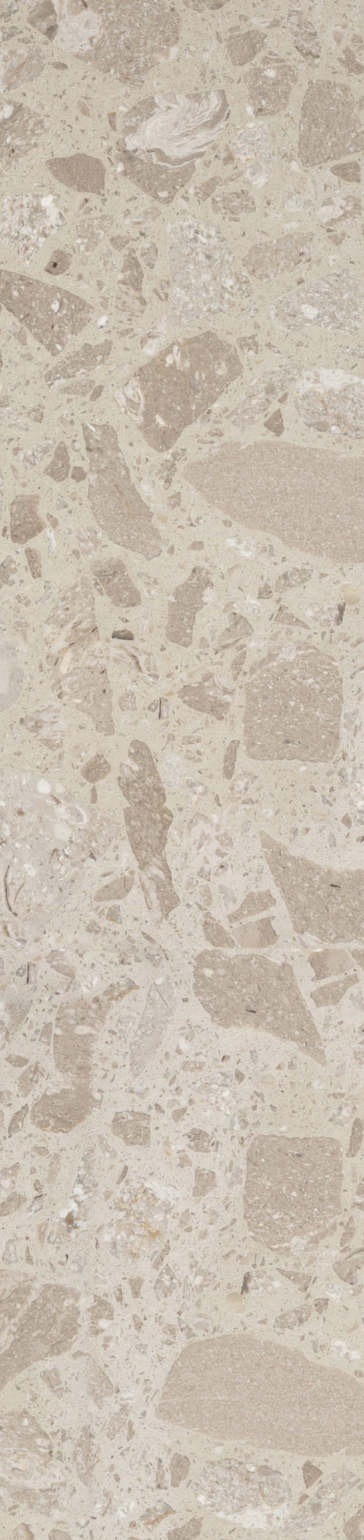
Travertine is one of the best choices for frost-resistant facade cladding, thanks to its characteristic porous texture and warm appearance. Limestone is also suitable for exterior wall cladding. Granite offers a robust, low-maintenance option for exterior applications. For larger, seamless surfaces, terrazzo such as Bomarbre Classic offers additional possibilities for wall cladding.
Discover below which product group best fits your facade project.

A face that lasts
From frost-resistant travertine to robust granite, and from limestone wall cladding to large-format terrazzo like Bomarbre Classic: STONE NV brings together natural stone and terrazzo product groups built to withstand rain, frost and sun for years. Whether classic or contemporary, your facade keeps its character.