Limestone
From light beige to deep black: at STONE NV you can choose from a wide range of limestone, including Belgian bluestone.
We supply limestone tiles, slabs and made-to-measure pieces from our own workshop for warm indoor floors, bathrooms, stairs and terraces, for clients across Europe, the United States and the Middle East.
Discover all varieties and finishes below.


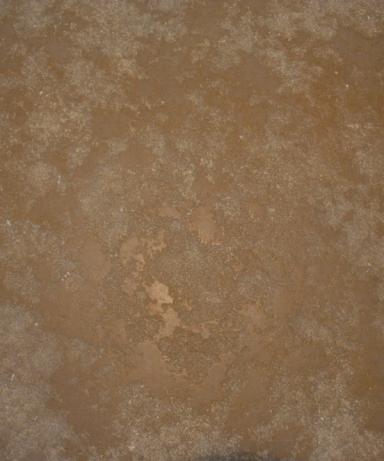

All about limestone
Limestone is a timeless natural stone with a soft, warm look. Thanks to its nuanced structure, natural colour variations and fossil inclusions, limestone fits perfectly into both classic and contemporary architecture. Since 1923, STONE NV has supplied limestone as tiles, slabs and solid blocks made to measure, finished in our own workshop, for clients across Europe, the United States and the Middle East. On this page you'll find out what limestone is, which varieties and finishes exist, where it works best and how to care for it.
What is limestone?
Limestone is a sedimentary rock made mainly of calcium carbonate. It forms from the build-up of shells, coral, other organic remains and lime deposits on the floor of shallow seas, compressed into stone over millions of years. This process gives limestone its typical fossil inclusions and a wide range of textures, from very fine-grained to more coarsely structured. When limestone recrystallises under high pressure and temperature, it becomes marble; travertine is a related limestone with characteristic pores.
Properties of limestone
- Hardness and density: depending on the variety, limestone ranges from soft and porous to very compact and frost-resistant. With a hardness of around 3 on the Mohs scale, it is softer than granite.
- Sensitive to acids: like marble, limestone reacts to acids such as lemon juice, vinegar, wine and limescale removers, which can leave dull marks.
- Thermal comfort: limestone spreads heat evenly and feels pleasant underfoot, making it ideal for indoor floors with underfloor heating.
- Natural patina: limestone ages beautifully and develops a warm, lived-in look over the years.
Limestone varieties at STONE NV
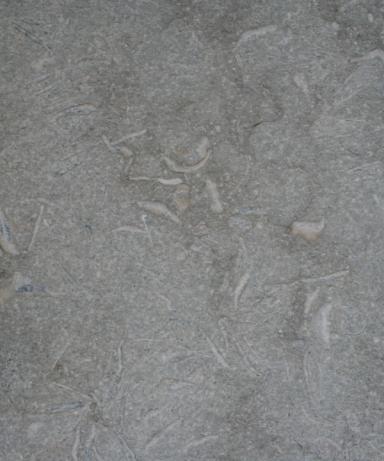
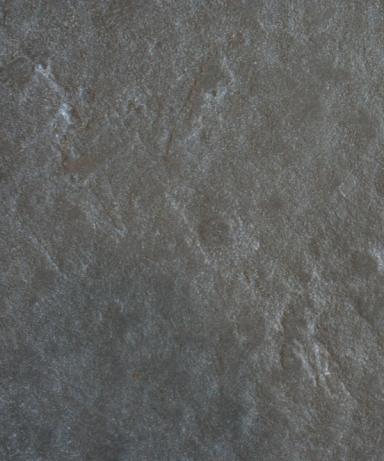
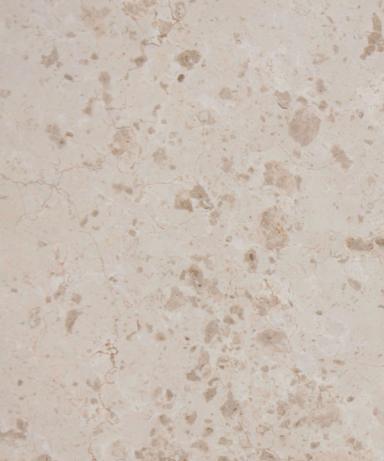
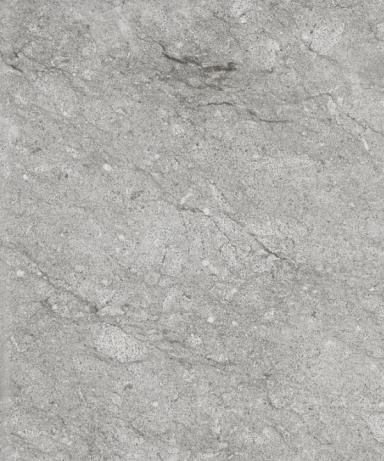
Every quarry gives limestone its own colour and pattern. At STONE NV you can choose from a wide range, from light beige to deep black:
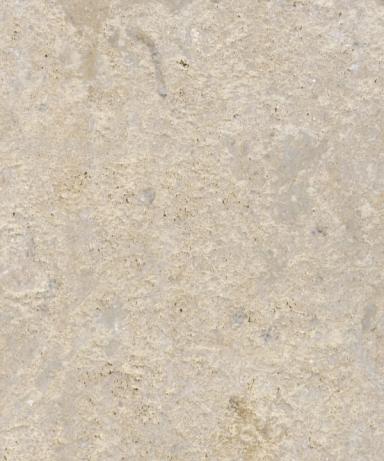
- Light and warm: Abbaye de Saint Andre, Gradina and Champollion. Light beige to cream limestone with a soft, natural look, ideal for bright interiors.
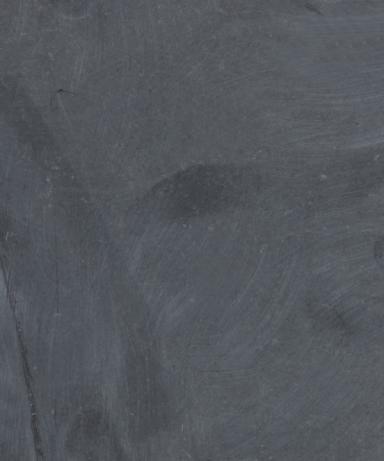
- Grey and blue-grey: Gradina Blauw, Pyramid, Indian Silver and Mediterranean Green. Cool, nuanced tones that suit both sleek and country-style designs.
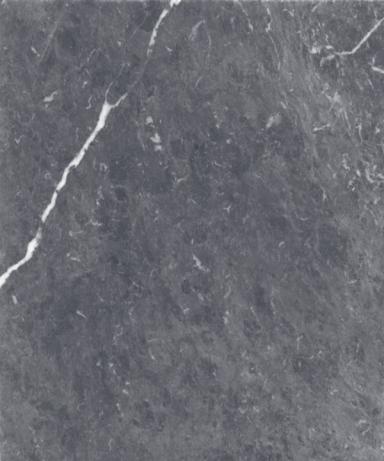
- Dark and bold: Andhra Black and Ortis, a dark grey limestone from Vietnam with fine white veins.
- Gold and rust: Indian Gold, a warm limestone in gold and ochre tones with a rustic character.
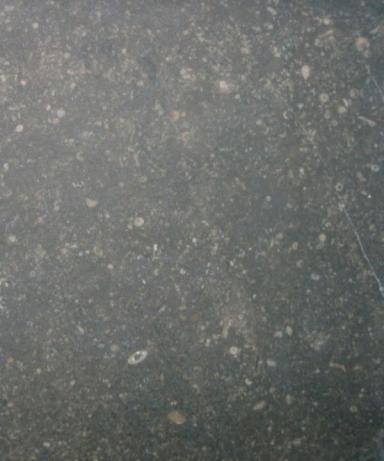
- Belgian bluestone: the best-known limestone of our region. Belgian bluestone is compact, hard and frost-resistant, recognisable by its blue-grey colour and white fossils.
See all varieties above, or come and see the slabs in person in our showroom.
Limestone finishes
The finish determines the look, the grip and the maintenance of limestone.
- Honed: smooth, matt to satin. A timeless choice for indoor floors, walls and vanity tops.
- Brushed or aged: a lightly textured surface with a lived-in, antique look and more grip.
- Sandblasted or bush-hammered: a rougher, slip-resistant surface, suitable for terraces, pool copings and outdoor steps.
- Tumbled: rounded edges and a rustic character, ideal for country-style interiors and terraces.
Applications of limestone
At STONE NV you'll find limestone for a wide range of applications, indoors and outdoors:
- Floors: limestone is a classic for indoor floors, including with underfloor heating.
- Bathroom: in the bathroom, limestone creates a calm, natural atmosphere on floors, walls and vanity tops.
- Walls: as wall cladding, limestone brings warmth and texture to any room.
- Stairs: solid limestone treads and risers give stairs a timeless look.
- Kitchen worktop: a limestone kitchen worktop is beautiful and unique, but needs care because it is sensitive to acids. Not sure? Read our guide to choosing a kitchen worktop material.
- Outdoors: compact, frost-resistant varieties such as Belgian bluestone are ideal for terraces, facade cladding and pool copings.
Every piece is finished to the millimetre in our workshop: from tiles and vanity tops to solid stair treads and architectural details.
Caring for limestone
Limestone stays beautiful with good impregnation, a pH-neutral cleaner and stains wiped up quickly. Never use acidic or harsh products such as vinegar, lemon or limescale removers: they attack the limestone structure directly. Impregnate the stone after installation, especially in kitchens, bathrooms and outdoors, and repeat regularly depending on use. Dull marks or wear can be sanded out by a professional. Find more tips in our article on cleaning and caring for natural stone.
How much does limestone cost?
The price of limestone depends on the variety, the finish, the size and thickness, and the complexity of the bespoke work. Standard tiles are more affordable than solid made-to-measure elements. See our price list for an up-to-date overview.
Frequently asked questions about limestone
What is the difference between limestone and bluestone?
Belgian bluestone is a type of limestone. It is, however, more compact, harder and more frost-resistant than many lighter limestones, and recognisable by its blue-grey colour with white fossils. That makes bluestone particularly suitable for outdoor use.
What is the difference between limestone and marble?
Both consist of calcium carbonate. Marble is limestone that has recrystallised under high pressure and temperature: it is therefore denser, has a veined pattern and can be polished to a high gloss. Limestone has a softer, more even look with fossils.
Is limestone frost-resistant?
It depends on the variety. Compact limestone such as Belgian bluestone is frost-resistant and ideal for outdoor use. Softer, more porous varieties are better suited to indoor use. Ask us for advice on your project.
Is limestone suitable for the bathroom?
Yes. Limestone gives a bathroom a warm, natural feel. Impregnate the stone well, use pH-neutral products rather than limescale removers, and choose a non-polished finish on the floor for more grip.
Is limestone suitable for a kitchen worktop?
Yes, if you accept the patina. Limestone is sensitive to acids and softer than granite or ceramic, so lemon juice, vinegar and wine can leave marks. With good impregnation and stains wiped up quickly, a limestone worktop stays beautiful.
Can limestone be used with underfloor heating?
Absolutely. Limestone conducts heat well and evenly, making it an excellent choice for floors with underfloor heating.
How do I remove stains from limestone?
Wipe up stains as quickly as possible with a damp cloth and a pH-neutral product. For stains that have soaked in or dull acid marks, it's best to call in a professional who can sand and refinish the stone.