Bomarbre Quartz-resin
Bomarbre Quartz-Resin is STONE NV's quartz composite: an engineered material made of around 95% quartz crystals, bound with resin and colour pigments.
The result is a composite kitchen worktop that is scratch-resistant, stain-resistant, hygienic and exceptionally easy to maintain.
Available in 36 colours, from plain white to marble look, and made to measure in our own workshop, for clients across Europe, the United States and the Middle East.


1940 Cloudy White

3005 Honey Galaxy

1926 Belgian Blue

1949 Breeze Beige

MA White

MA Grey

1930 Divinity Black

1924 Belgian Sand

1929 Belgian Buxy Grey

102 Canadian White

4230 Shitake

5003 Piatra Grey

310 Titan

1922 Belgian Earth

2035 Interstellar Cloud

1941 Cloudy Desert

4020 Forest Garrigue

600 Cloudy Black

2010 Mars

4015 Forest Magnolia

1920 Belgian Fog

5100 Vanilla Noir

4130 Clamshell

1985 Bianco Perla

2030 Pluto

1942 Portland Grey

1921 Belgian Soil

4005 Sughero velvet

Topus Concrete

Era Flamingo
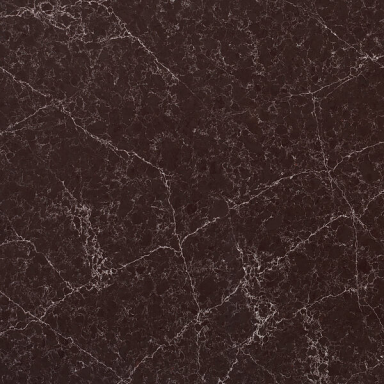
Era Avalon
All about composite
Composite, also known as quartz composite, engineered quartz or engineered stone, is one of the most popular materials for kitchen worktops. It combines the hardness of quartz with an even, non-porous surface that needs little maintenance. Under the name Bomarbre Quartz-Resin, STONE NV supplies bespoke composite worktops, with cut-outs and edge finishing done in our own workshop. On this page you'll find out what composite is, its pros and cons, and how it compares with natural stone and ceramics.
What is composite?
Composite is an engineered material made from crushed quartz, resin and colour pigments, pressed into slabs under high pressure. Bomarbre Quartz-Resin consists of around 95% quartz crystals. The resin binds everything together and makes the surface non-porous, so moisture and stains don't soak into the worktop. Composite is therefore not a natural stone, but it consists largely of a natural mineral. Don't confuse quartz composite with quartzite: that is a 100% natural stone.
Properties of a composite worktop
- Scratch-resistant: quartz has a hardness of 7 on the Mohs scale, which makes a composite worktop well able to withstand daily use.
- Non-porous and stain-resistant: wine, coffee, oil and lemon juice don't soak into the surface. No impregnation is needed.
- Hygienic: thanks to the closed surface, bacteria and dirt have little chance.
- Even and predictable: the colour and pattern are consistent across the whole worktop, so you know exactly what you'll get.
- Less heat-resistant: the resin can discolour or be damaged at high temperatures. Always use a trivet for hot pans.
Colours in the Bomarbre Quartz-Resin collection
Bomarbre Quartz-Resin is available in 36 colours. Some examples:
- White and light: Cloudy White, MA White, Canadian White, Bianco Perla, Clamshell and Belgian Fog.
- Veined marble look: Honey Galaxy, Interstellar Cloud, Sughero Velvet and Forest Garrigue, or in dark tones Mars, Pluto, Vanilla Noir, Forest Magnolia and Era Avalon.
- Beige, sand and earth tones: Breeze Beige, Belgian Sand, Shitake, Titan, Cloudy Desert, Topus Concrete, Belgian Earth and Belgian Soil.
- Grey and concrete: MA Grey, Belgian Buxy Grey, Piatra Grey and Portland Grey.
- Dark and black: Belgian Blue, Divinity Black and Cloudy Black.
- A bold colour: Era Flamingo, a soft pink.
See all colours above, or request a sample to compare them at home next to your cabinets and floor.
Composite, natural stone or ceramic?
Composite scores best on stain resistance and consistency, but less well on heat resistance.
- Composite: non-porous, stain-resistant and even, but less heat-resistant and not suitable for outdoor use.
- Natural stone such as granite and quartzite: heat-resistant with a unique pattern; lighter varieties are impregnated.
- Ceramic: non-porous and heat-resistant, but the edges are more prone to chipping.
All materials are compared side by side in our guide to choosing a kitchen worktop material.
Made to measure in our workshop
Every composite worktop is made to measure: from measuring and cutting to the cut-outs for the sink, hob and tap, and the edge finishing. An island with a continuous side panel (waterfall) or a matching splashback is also possible. That way you get a kitchen worktop that fits perfectly, finished in our workshop.
Caring for a composite worktop
Composite is one of the easiest materials to maintain. Clean with lukewarm water, a soft cloth and a mild washing-up liquid. Avoid harsh products such as oven cleaner, drain unblocker or strongly alkaline cleaners, as well as scouring pads, which can dull the surface. Use a trivet for hot pans and a chopping board to spare your knives.
How much does a composite worktop cost?
The price of a composite worktop depends on the colour, the dimensions and thickness, the number of cut-outs, the edge finish and the installation. Bomarbre Quartz-Resin is therefore quoted to measure, based on your kitchen plan. Contact our workshop for a quote.
Frequently asked questions about composite
What is composite?
Composite is an engineered material made from crushed quartz, resin and colour pigments, pressed into slabs under high pressure. Bomarbre Quartz-Resin consists of around 95% quartz and is used for bespoke kitchen worktops.
Is composite a natural stone?
No. Composite consists largely of natural quartz, but it is bound with resin and is therefore an engineered material. Quartzite, on the other hand, is a 100% natural stone.
Composite or ceramic: which is better?
Both are non-porous and stain-resistant. Ceramic is more heat- and UV-resistant; composite is less prone to chipping at the edges and has an even, warm look. If you cook a lot and like to put a hot pan down, ceramic is the better choice.
Can you put a hot pan on composite?
No. The resin in composite can discolour or be damaged by high temperatures. Always use a trivet for hot pans and oven dishes.
Is a composite worktop scratch-resistant?
Yes, thanks to its high quartz content, composite withstands scratches well in normal use. Always cut on a chopping board though: it spares both the worktop and your knives.
Does a composite worktop need to be impregnated?
No. Composite is non-porous, so stains don't soak into the worktop. No impregnation is needed, either at installation or later on.
Can composite be used outdoors?
No. UV light can discolour the resin in composite. For an outdoor kitchen, ceramic or a natural stone such as granite is a better choice.