Geology & Granitocer: ceramic tiles in terrazzo and limestone look
Geology & Granitocer: ceramic tiles in terrazzo and limestone look
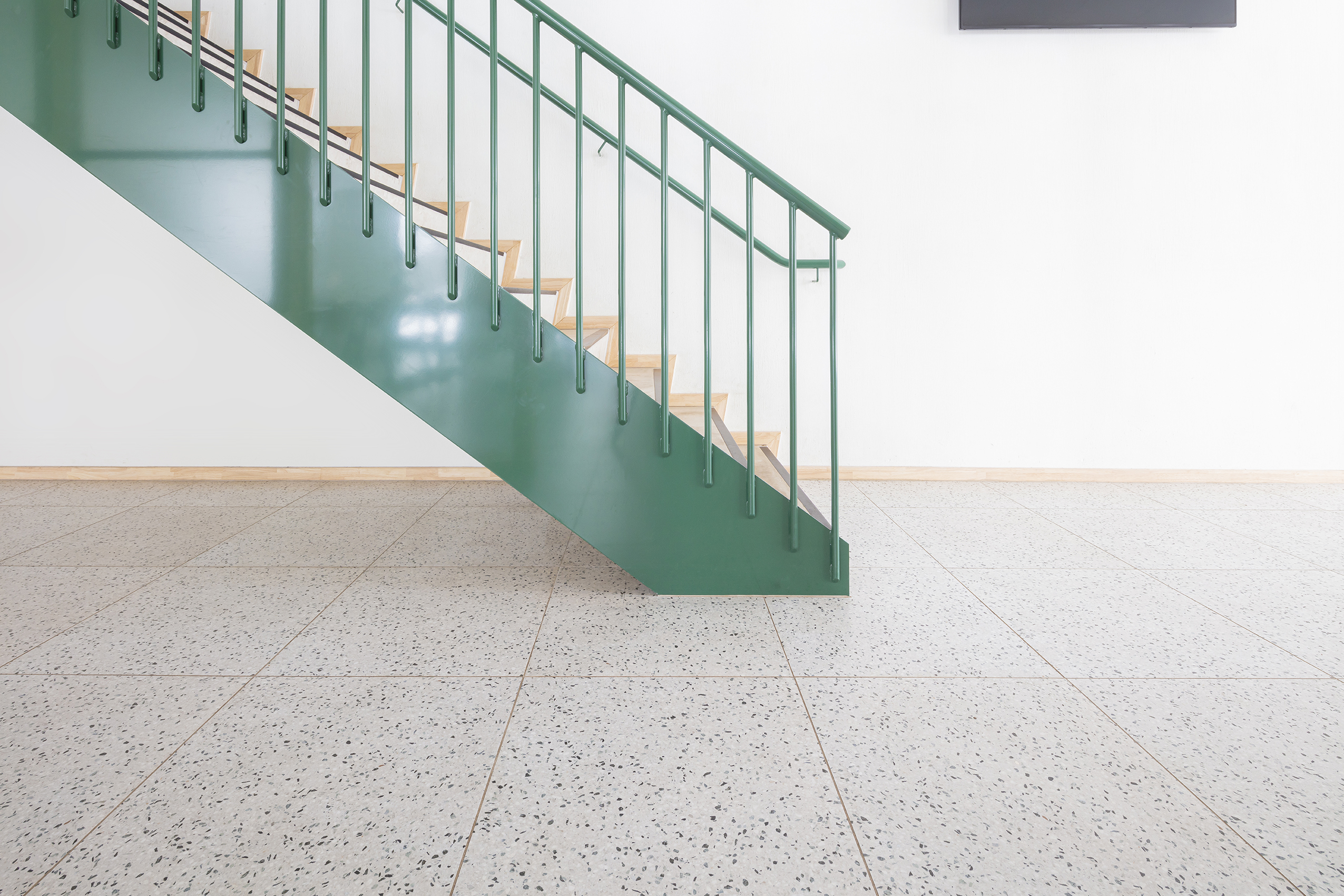
Interior design is increasingly embracing the authentic beauty of natural stone and terrazzo. At the same time, architects and construction professionals expect material choices that technically excel in durability and ease of maintenance. How do you unite these two worlds? STONE NV, a pioneer in terrazzo floors, ceramics, and natural stone since 1923, presents an answer with the Geology and Granitocer collections: ceramic tiles that combine the charm of limestone and terrazzo with modern peak performance. The result is a floor or wall tile that tells a story and can take a beating.
Terrazzo: from ancient technique to modern design
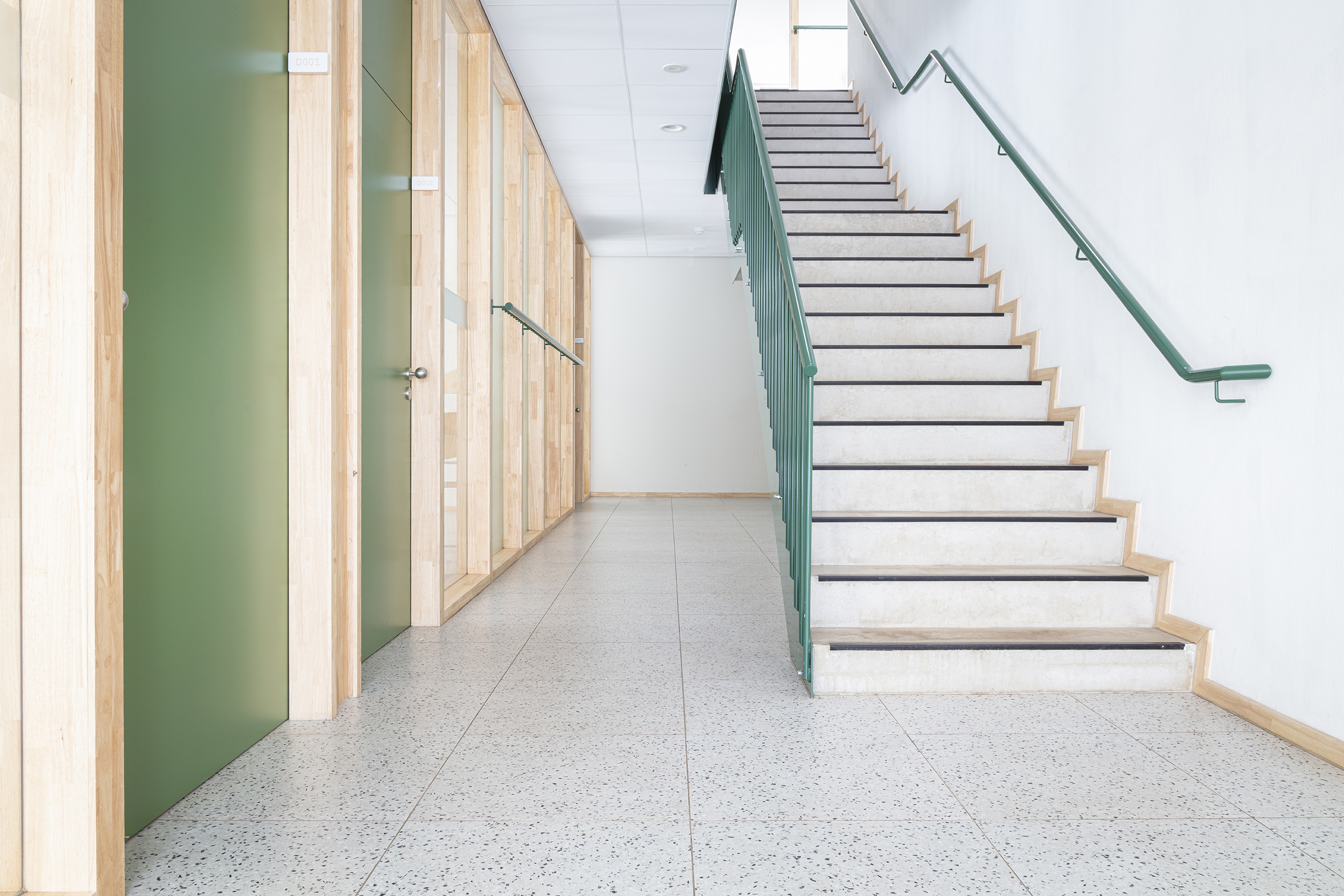
An interior with a Granitocer floor in terrazzo look adds a playful, colorful touch to the space. Terrazzo is a material with a rich past. The technique, which originated in Italy in the 15th century, consisted of reusing marble grains by casting them in cement and polishing them into a mosaic floor. Soon, this speckled floor finish became beloved in Venetian palazzos and later worldwide. Terrazzo (Italian for "terrace") is also known as granito or marmoriët. The name granito does not appear by chance in Granitocer: STONE NV's ceramic interpretation of classic terrazzo floors.
Traditional terrazzo remains loved for its unique character and natural variation, as every cement-bound terrazzo tile has its own pattern. While terrazzo was previously mainly poured on-site, today it is mostly cast in blocks and cut into tiles. Because terrazzo consists of cement-bound marble grains, these tiles must be sufficiently thick, often 1.5 to 2 cm, to guarantee a strong bond between the grains and the binder.
Although high-quality terrazzo tiles are robust thanks to this thickness, they remain heavier and more porous than ceramic tiles.
This means that spilled wine, citrus, or acids can penetrate more quickly and cause stains if they are not removed immediately.
Ceramic terrazzo tiles like Granitocer offer a modern solution here. They mimic the iconic speckled appearance perfectly, without the disadvantages of absorption or wear.

Granitocer tiles are available in various shades and patterns. At the same time, it is a full-body ceramic tile with an extremely hard, dense surface. This means: no stains, no scratches, no dull spots, even with intensive use. A classic terrazzo look, but with the peace of mind of high-tech ceramics.
Limestone: timeless elegance from nature
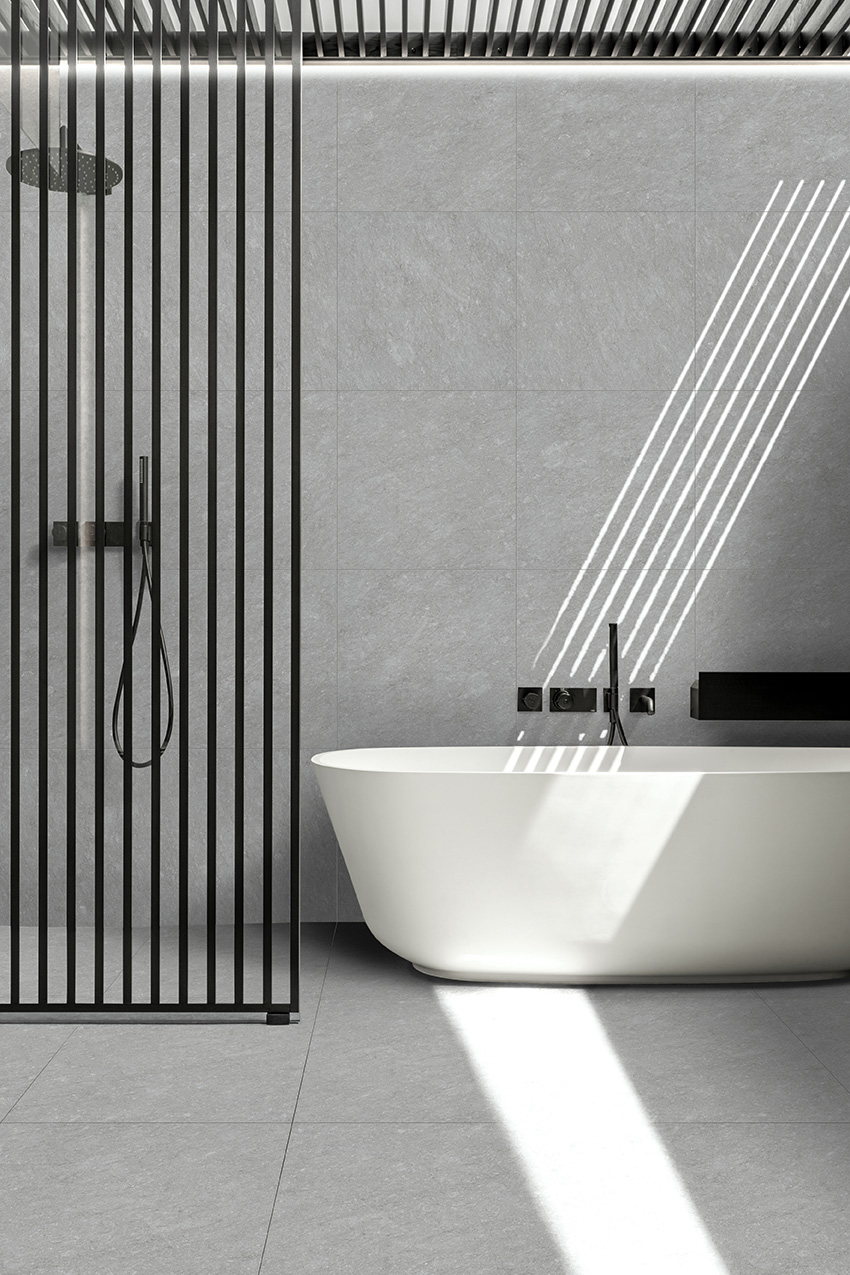
Bathroom walls and floors executed with Geology tiles in a gray limestone motif offer a serene natural appearance. Limestone is a sedimentary rock that architects have appreciated for centuries for its soft color shades and timeless elegance. From the light sand tones of Egyptian limestone to the silver-gray nuances of Adriatic hardstone from Croatia, the material tells a story about its origin every time. STONE NV's Geology collection of ceramic tiles pays tribute to that geological wealth.
"Our Geology tiles, with their soft color nuances and light surface structures, are a tribute to the natural beauty of Egyptian, Croatian, and Spanish limestones," explains Kristof T'Sjoen – Product & Marketing Director at STONE NV. The designers have incorporated the characteristic details of limestone—fossil specks, vein patterns, subtle color transitions—into the tiles with respect for the original natural stone. This provides the timeless, natural character of real natural stone, but on a carrier that is thinner, more durable, and more practical.
Just as with terrazzo, natural stone can have some practical disadvantages in contemporary projects. Natural limestone can be sensitive to scratches or acids (think of vinegar or lemon on a limestone countertop) and generally requires treatment to prevent stains. Furthermore, natural stone is heavy and requires expert knowledge for installation. Ceramic limestone tiles from Geology offer the best of both worlds: the visual warmth and uniqueness of real stone, with the insensitivity and robustness of ceramic tiles. Geology tiles are, for example, scratch, acid, and stain-resistant and suitable for intensive use, even in commercial environments or outdoor applications where real limestone would struggle. The result is a tile floor or wall with a natural soul that effortlessly stays beautiful for decades.
Ceramics: from craft to high-tech tile
Ceramic tiles are among the oldest building materials in the world. Archaeologists
have found evidence that in ancient Egypt and Mesopotamia, around 4000 BC, baked clay tiles were already used to decorate floors and walls. In Roman times, mosaic art with ceramic tiles reached a high level. Through the centuries, the art of ceramics has been further refined, from Islamic glazed tiles to Delft Blue tile traditions.
In modern times, ceramics have made a technological leap. Thanks to advanced knowledge of materials and automated production, porcellanato tiles (high-quality stoneware) can today imitate almost anything, from wood to marble, and thus also terrazzo and limestone. The production process under high pressure and temperature creates an extremely dense material with minimal water absorption (≤ 0.5%). This makes the tiles frost-resistant and exceptionally hard. Full-body ceramic tiles like Geology and Granitocer are also through-colored (tinted in the mass) and rectified, allowing for a seamless surface with thin joints. The surface is colorfast and UV-resistant, so that neither sunlight nor intensive foot traffic has a visible influence on the tile. With digital printing and pressing techniques, every nuance of the natural example is captured razor-sharp in the ceramic carrier. In other words: the soul of real stone or terrazzo, captured in an extremely reliable tile.
Why choose ceramic tiles instead of natural stone or cement-bound terrazzo?
Ceramic tiles in a natural stone or terrazzo look are increasingly gaining ground in interior and project construction. They combine the aesthetics of real limestone or terrazzo with the technical advantages of high-quality porcellanato. This makes ceramics a smart choice for those who want to unite beauty, durability, and ease of maintenance. The most important advantages:
- Authentic appearance, less maintenance: ceramic imitation tiles approach the look of real terrazzo or limestone in detail, but are not porous and therefore much more maintenance-friendly. No periodic impregnation or polishing is needed to keep them beautiful; simple cleaning suffices

- Scratch, stain, and acid-resistant: where natural stone can scratch or etch, the ceramic surface remains intact. Granitocer and Geology score high on wear resistance and chemical resistance, meaning even red wine, coffee, or cleaning agents leave no permanent traces.
- Durable and colorfast: These ceramic tiles are fired at high temperatures and designed for intensive use. They stay beautiful for decades without visible discoloration or weathering. The print layer is UV-resistant, keeping colors and details bright even with high light incidence. Although the print is not through the mass, the base color of the tile is carefully matched to the surface design, making small damages less noticeable.
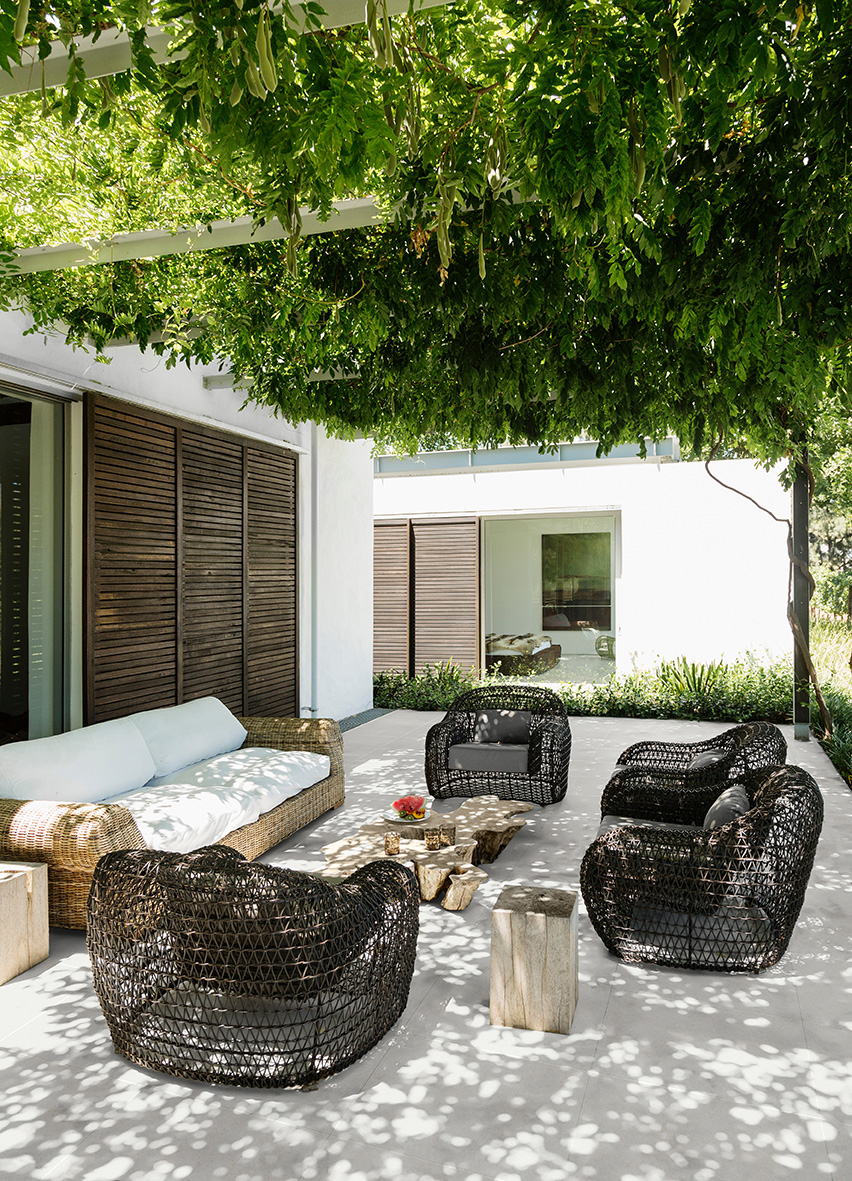
- Suitable for indoors and outdoors: the water absorption of ≤0.5% qualifies these tiles as fully frost-resistant. In combination with available thicknesses up to 20 mm, certain formats can also be processed outdoors (on tile supports or in stabilized sand), enabling a continuous indoor-outdoor finish.
- Simple installation: ceramic tiles are laid with adhesive or in a sand bed, similar to regular floor tiles. This is faster and often cheaper than pouring a terrazzo floor on-site or puzzling with heavy natural stone slabs. Moreover, all tiles are strictly calibrated (rectified), guaranteeing an even joint and a sleek result.
- Cost-efficient and ecological: in general, ceramic tiles are more favorably priced than rare natural stone species or artisanal terrazzo, especially in larger quantities. Also, less natural stone is lost during production; a ceramic tile can be seen as a sustainable tribute to scarce geological materials, with less waste and transport weight.
Tradition and innovation hand in hand
The concept of Geology and Granitocer shows that tradition and innovation can flow together beautifully. STONE NV, as a Flemish specialist in natural stone, ceramics, and terrazzo, has a unique background that led to this. The company began in 1923 (as Bomarbre) with terrazzo production and quickly became a market leader in Belgium. In the decades following, under the name STONE NV, it introduced numerous natural stone species to the Belgian market. Since 2006, a third pillar was added: high-tech ceramics, united under the Cerabos division. This rich history explains why STONE NV is today able to develop its own ceramic tile collections that seamlessly align with market demands. Geology and Granitocer are designed "specifically for the project market".
Conclusion: With Geology and Granitocer, no one has to choose between character and performance anymore.
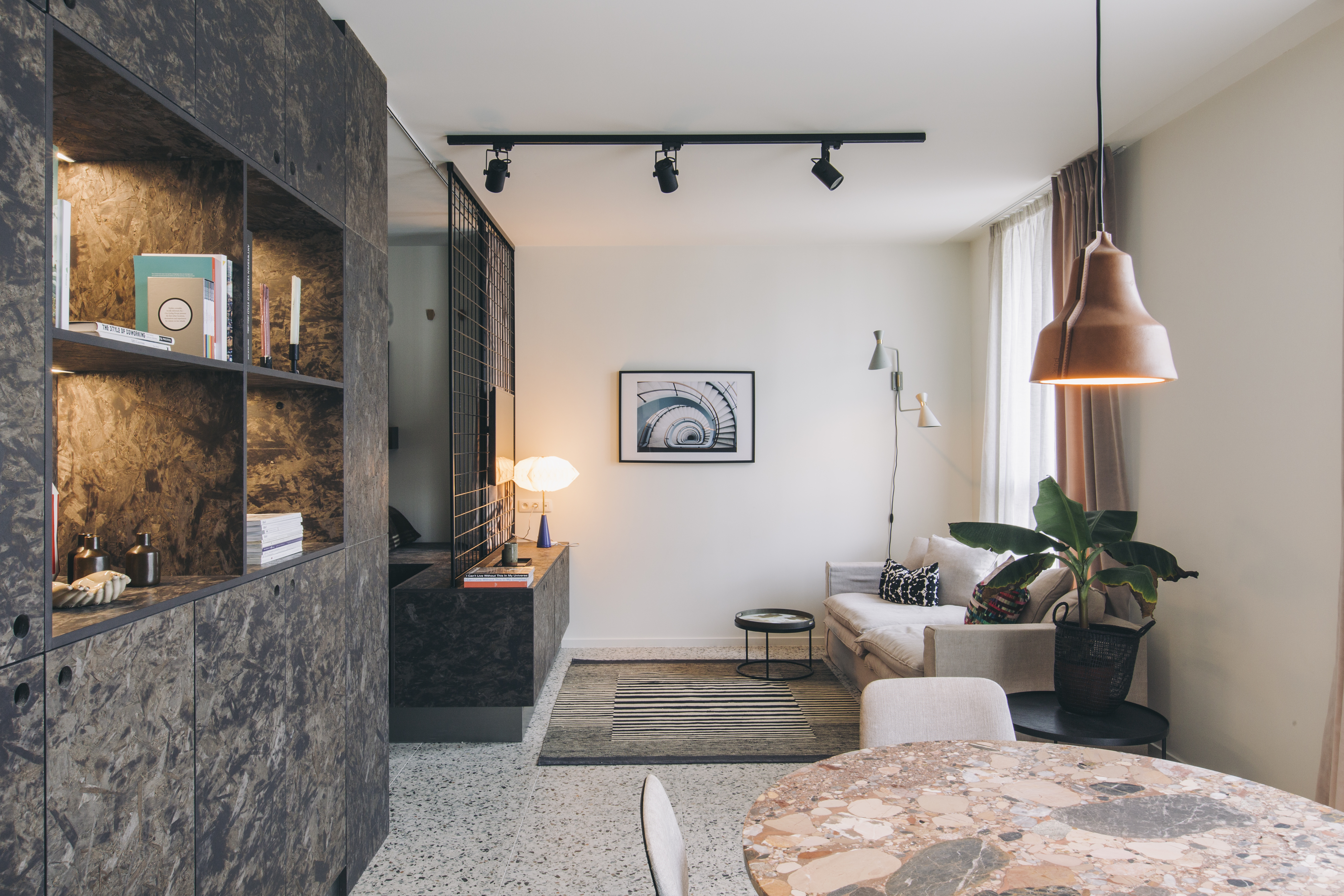
The geological stories of limestone and terrazzo are translated into a contemporary, low-maintenance, and durable product that lasts for years. Perfect for projects where aesthetics, functionality, and reliability must come together.
Ready for your own ceramic project? Let our experts advise you! Contact us for a no-obligation consultation and discover the possibilities for your home.
FAQ
1. What is the difference between ceramic terrazzo and traditional cement-based terrazzo?
Traditional terrazzo uses marble chips in cement, making tiles porous, heavy, and prone to staining. Ceramic terrazzo, like the Granitocer collection, mimics this look in a porcelain tile that is scratch-resistant, non-porous, and easier to maintain.
2. Are ceramic limestone tiles suitable for outdoor use?
Yes, collections such as Geology are highly suitable for outdoors. With a water absorption rate of ≤ 0.5%, they are fully frost-resistant and UV-stable, meaning they won't fade in sunlight.
3. Why should I choose ceramic imitations over real natural stone?
Ceramics offer the beauty of natural stone without the practical drawbacks: they are thinner, lighter, and resistant to acids like lemon or vinegar. Furthermore, they do not require periodic sealing or polishing.
4. How do I maintain a Granitocer or Geology tile floor?
These tiles are very low-maintenance because they are non-porous. Simple cleaning with water is sufficient; no special impregnation is needed to protect them from coffee or wine stains.
5. Are these ceramic tiles sustainable and eco-friendly?
Yes, ceramic tiles are a sustainable alternative as they reduce natural stone waste during production and have a lower transport weight. They last for decades without showing signs of wear or discoloration.